
The Pehli Peedi Fellowship presents the first in a series of stories highlighting the experiences of first-generation students across India.
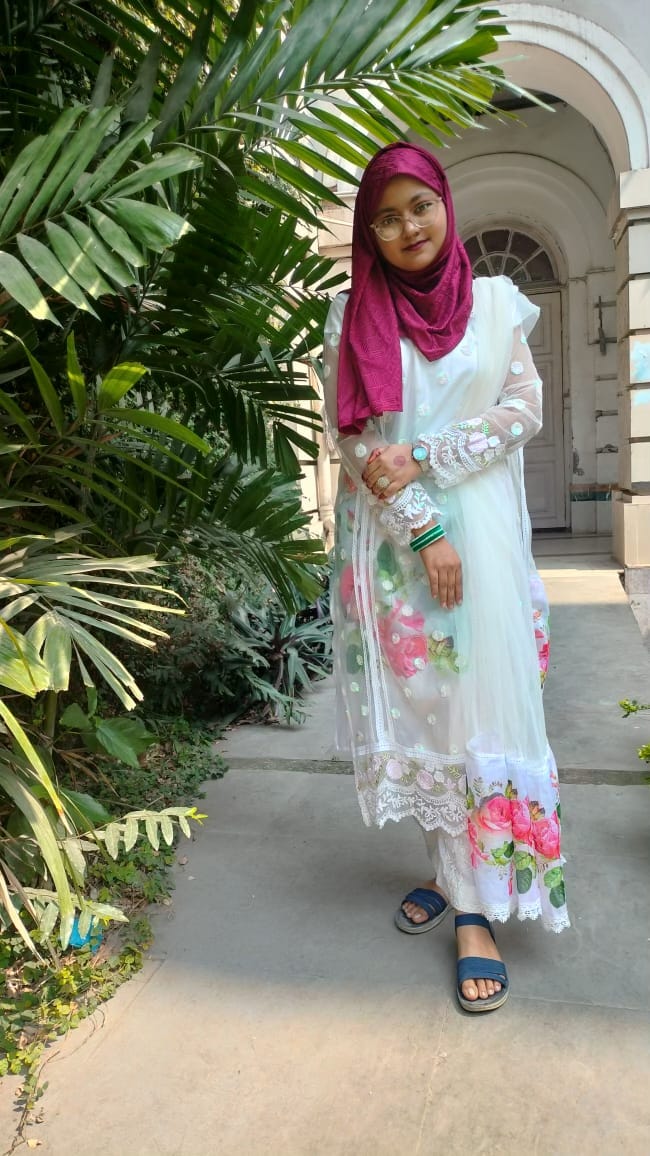
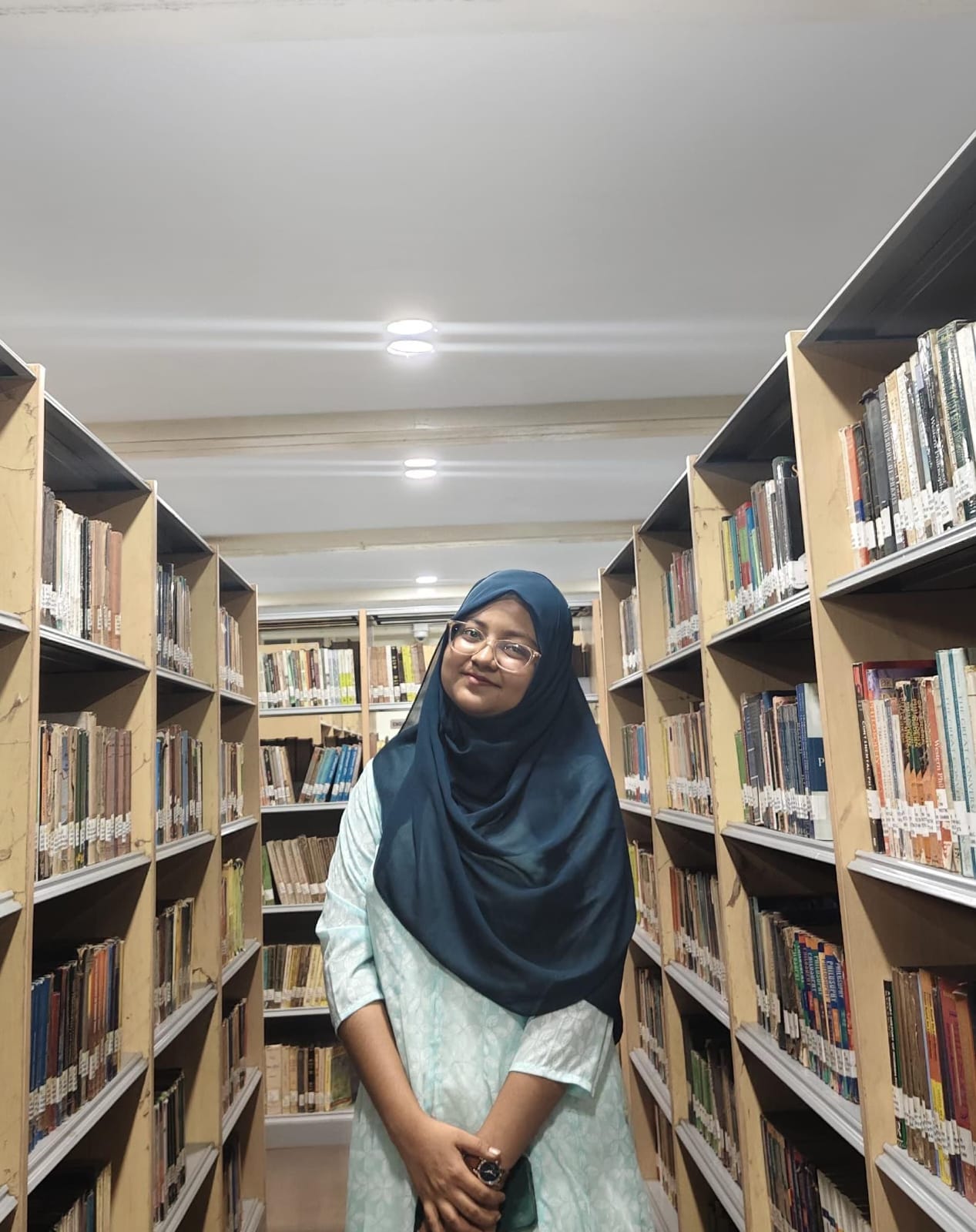
Safina Khanam is a first-generation university student from Asansol, Paschim Bardhaman, now pursuing higher education in Kolkata, West Bengal. As the second of five siblings in a supportive family, she represents a new generation of young women with progressive ambitions. Beginning her university journey during the uncertainty of the COVID-19 pandemic, Safina navigated mobility challenges, self-doubt, and the transition to independent life away from home. Her story reflects resilience, self-discovery, and the power of perseverance.
“Success, for me, means making my parents proud and living a fulfilled life without regrets.”
Read her full story below. Profile by Sumaiya Shahid.
What was it like growing up with your family in Kolkata?
Safina: I grew up in Asansol, Paschim Bardhaman. It was nice growing up there. I never lacked resources or opportunities, but traveling has been an issue because I had to move to Kolkata to pursue my higher education.
Could you tell us about your education and your family’s or community’s values about education?
Safina: I completed my schooling at BAV Public School, where the medium of instruction was English. My four siblings and I have all been educated because our parents strongly encouraged us to prioritize our studies. Earlier, there was not much awareness regarding education in my community, but recently, there has been a noticeable shift toward greater awareness and acknowledgment of its importance.
Looking back, what obstacles did you have to overcome personally, academically, and socially when you entered university?
Safina: I graduated from school during COVID-19. I initially wanted to attend a Central University for my higher education, but due to travel restrictions and concerns, I had to choose a university within my state. Traveling was a major issue, as I was young and my parents were skeptical about sending me far away.
Describe your university experience. What’s been most surprising or challenging?
Safina: Initially, I had high expectations because of the way university life is portrayed in popular culture, which often highlights only the positive aspects. I began with optimism, but gradually, the experience became overwhelming and confusing. I had to figure out my course structure and explore the opportunities offered by the university on my own. The most challenging aspects were traveling and managing my time, especially since I stayed in a hostel.
Are there concerns that students from your background commonly face?
Safina: Students from my background often have to navigate the system independently. Unlike some of their peers, they may not have a guiding figure in their family who understands university life. Others may have the advantage of support and guidance, which can make the transition smoother for them.
Have your goals changed since you started university? Have you ever questioned your place here?
Safina: My primary goal has not changed much. Initially, I wanted to join the civil services by clearing a government examination. However, during my time at university, I realized that I could also pursue a career in academia. The university experience has broadened my perspective beyond civil services.
Do you feel that being first-gen impacts how others see you?
Safina: I think being a first-generation student creates a certain impression. People are often impressed by first-generation students and their journeys.
What do you wish your professors, peers, or university leaders better understood about students like you?
Safina: Professors should maintain a pace that allows everyone to grasp the material properly. They should encourage curiosity and create an environment where students feel comfortable asking questions. A friendly and inclusive atmosphere can make a significant difference.
If you could change one thing about higher education today, what would it be?
Safina: I would formally incorporate student feedback into the education system and ensure that changes are made accordingly. Students’ perspectives should be taken seriously.
Do you believe your image has changed among your family, friends, or community after joining the university?
Safina: Yes, I believe my image has changed, especially among my extended family. They have become more appreciative of me since I joined the university and moved to a different city.
What does “success” mean to you at this stage?
Safina: I do not define success in terms of monetary gain. For me, success means making my parents proud, living a satisfactory life without regrets, being happy and fulfilled, and doing something meaningful that adds value to my life.
What’s one thing first-gen students need to succeed?
Safina: The most important thing first-generation students need to succeed is perseverance.
What advice would you give to a first-gen student just starting college?
Safina: They should remain dynamic and not be too hard on themselves. It is also important to always have a Plan B.
This is an ongoing series of profiles documenting the experiences of young people across India. Stay tuned for more stories from first-generation students across India. Follow us on social media for more updates.