
The Pehli Peedi Fellowship presents the first in a series of stories highlighting the experiences of first-generation students across India.
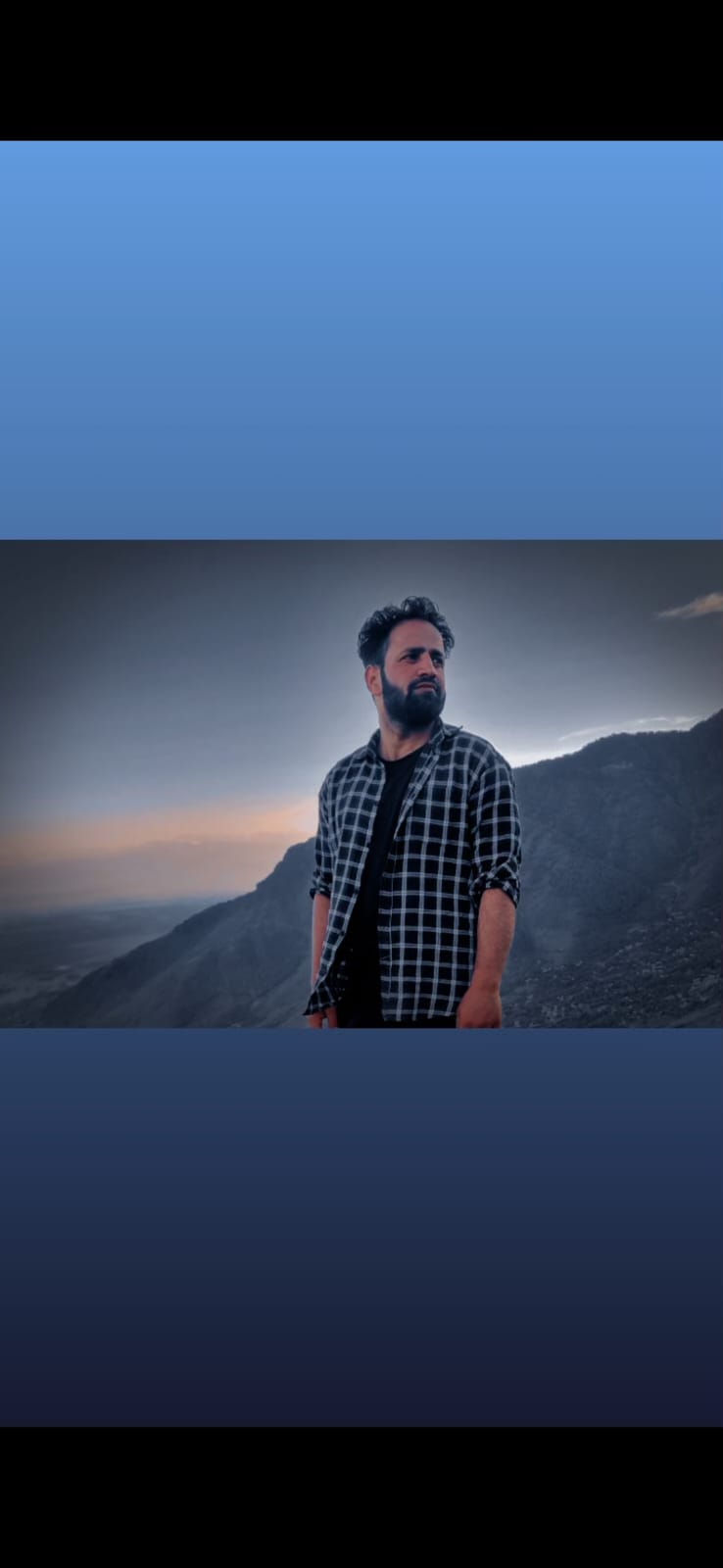
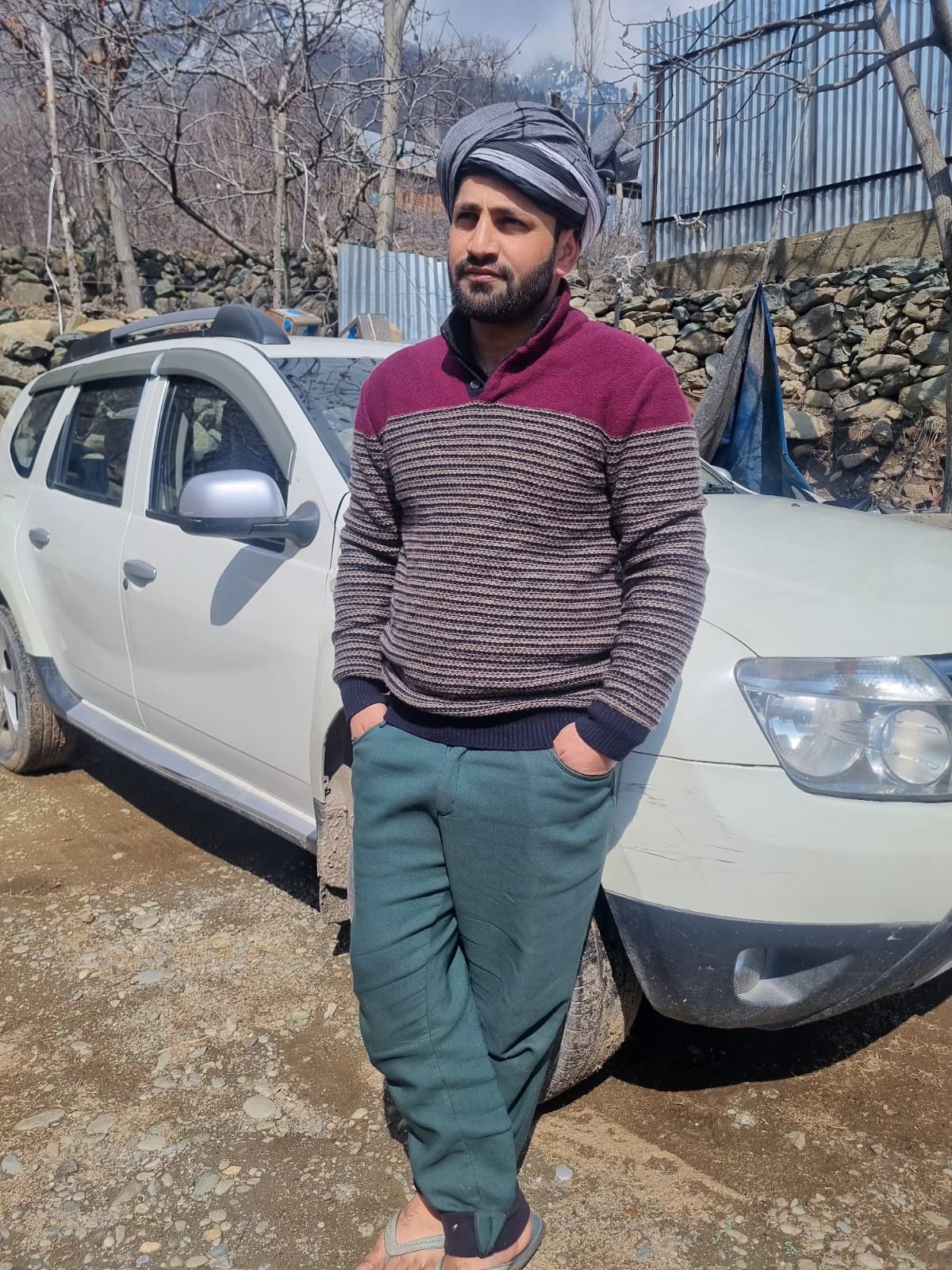
Irshad comes from a small village in Ganderbal district, Jammu & Kashmir. His story reflects the journey of moving from uncertainty to self-belief through education. Despite modest means and limited guidance, Irshad pursued higher education, discovered focus and confidence in university, and today continues working toward stability for his family. His path shows how education does not just provide degrees—it reshapes one’s thinking, choices, and future.
“Hard work never provides shortcuts, but it always takes you somewhere meaningful.”
Read his full story below. Profile by Mir Kouser Gulzar.
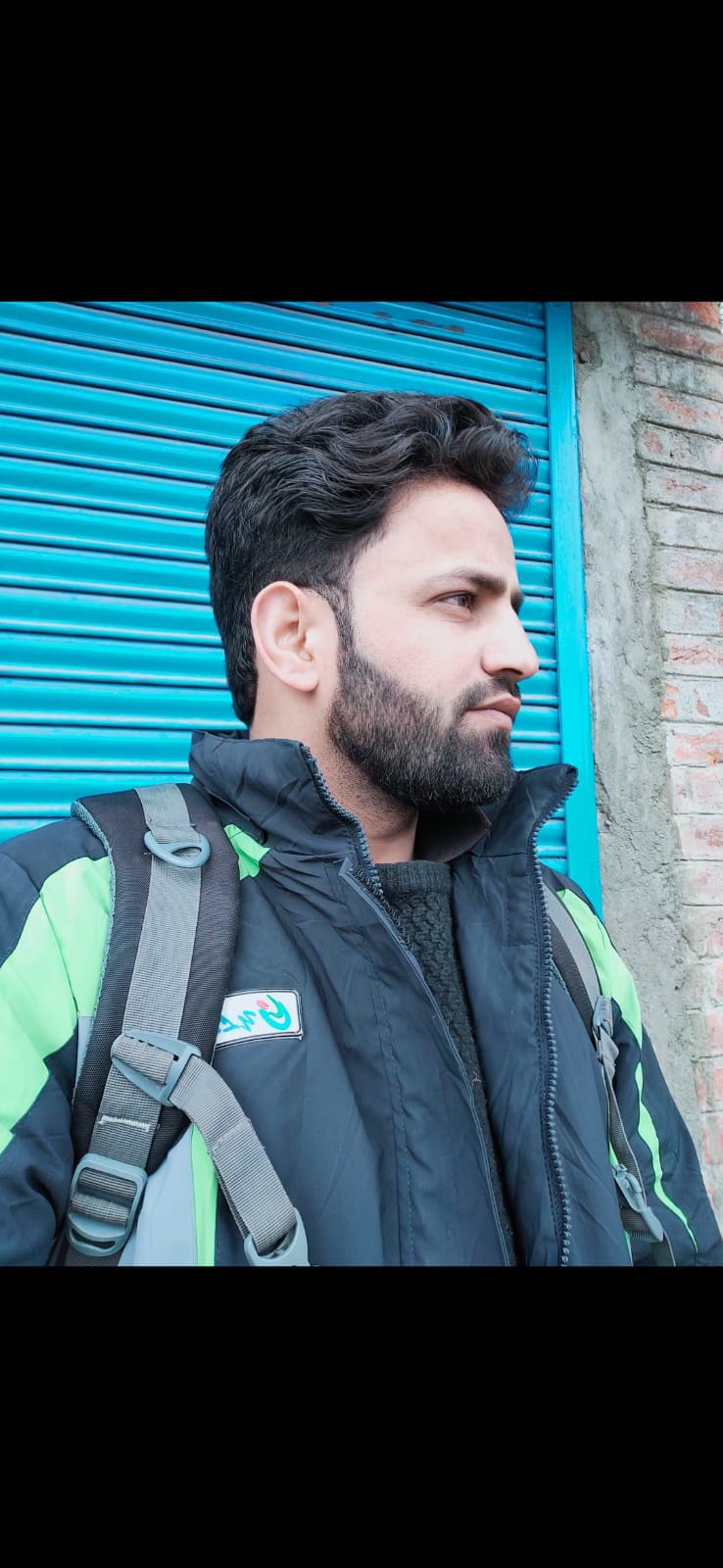
Mir: Tell me about your family.
Irshad: We are a family of seven. My father worked in the government sector, studied up to class 10, and is now retired. My mother is a homemaker and is illiterate, but she has always taken full responsibility for the household. We have lived a modest life, and our basic needs were always met.
Mir: Where did you study?
Irshad: I studied entirely in government institutions—from primary school to my master’s degree.
Mir: Did your family and community support your education?
Irshad: My parents always supported me. However, not everyone around us felt the same way. My grandparents never saw the value of education because they hadn’t experienced its benefits. Even in the wider community, opinions were mixed.
Mir: What is your caste or community? Did it affect your educational experience?
Irshad: I belong to the Qureshi caste and the Pahari ethnic tribe. Our tribe was recently granted Scheduled Tribe (ST) status. The Pahari community has faced years of challenges, mainly because most of us live in remote areas with limited road connectivity and fewer educational institutions. With the ST status now in place, there is hope that conditions will improve.
Mir: How many students from your school went to college?
Irshad: There were around 25 students in my class, and nearly 70% continued to college. The remaining students began working due to financial constraints or lack of guidance.
Mir: What inspired you to go to college?
Irshad: I did not have a clear direction at that time. My elder brother suggested that I choose the non-medical stream because I liked mathematics. The plan was simple—attempt engineering entrance exams and, if that didn’t work out, join college.
Mir: Did you face hurdles while entering college?
Irshad: Yes, the biggest hurdle was the lack of career counselling. We didn’t know what courses to choose or why. I had dreamed of becoming an engineer, but after one failed attempt, I didn’t pursue it again. I eventually enrolled in a general graduation course because that was the usual path.
Mir: How was college life overall?
Irshad: College felt like a transition between childhood and adulthood. Socially, it was challenging. Many students focused on relationships, and if you weren’t part of that, you often felt left out. I had a small circle of friends. Things changed when I joined university for my master’s degree—people who once ignored me began approaching me for help, which boosted my confidence.
Mir: Why did you join university, and how was your experience there?
Irshad: After graduation, I felt lost and wanted to pursue something more specialized. University helped me gain clarity. For the first time, I studied seriously and approached life more intentionally.
There were challenges—adjusting to Srinagar, dealing with English as the main medium of communication, and handling academic pressure in Mass Communication. Still, university shaped me the most. I also built one meaningful friendship that I still value deeply.
Mir: Did your background influence your journey?
Irshad: Not directly. I believe my mindset played a bigger role than my background. My family’s support helped me move forward.
Mir: Where are you now in achieving your goals?
Irshad: Life took a different direction from what I had imagined. Journalism didn’t give me the opportunities I expected, but it broadened my thinking. I am currently preparing for state-level exams. Nothing is certain—I may secure a job soon or may need to explore other options.
Mir: How are you managing finances today?
Irshad: My father continues to support me through his pension. I also do daily wage work and run a small kirana shop, especially because I am married and must support my family.
Mir: Did you face discrimination based on caste, language, or ethnicity?
Irshad: Not directly. Before university, everyone around me came from a similar background. At university, I struggled due to language barriers, which caused an inferiority complex, but I never faced explicit discrimination.
Mir: What is one key insight from your journey?
Irshad: Hard work always counts. It may not give quick results, but it remains the most reliable path.
Mir: Has higher education changed you, and should everyone pursue it?
Irshad: Education made me more disciplined, focused, and thoughtful. Yes, everyone should pursue higher education—not only for jobs but also to gain a deeper understanding of life.
Mir: What change would you suggest in the education system?
Irshad: Schools should have proper career counselling centres. Students should receive guidance and subject-specific pathways right after classes 10 and 12.
Mir: Is there anything you wish had gone differently?
Irshad: I wish I had started reading widely much earlier.
Mir: Any final thoughts?
Irshad: Study as much as you can. Education shapes your thinking and changes how you see yourself and the world around you.
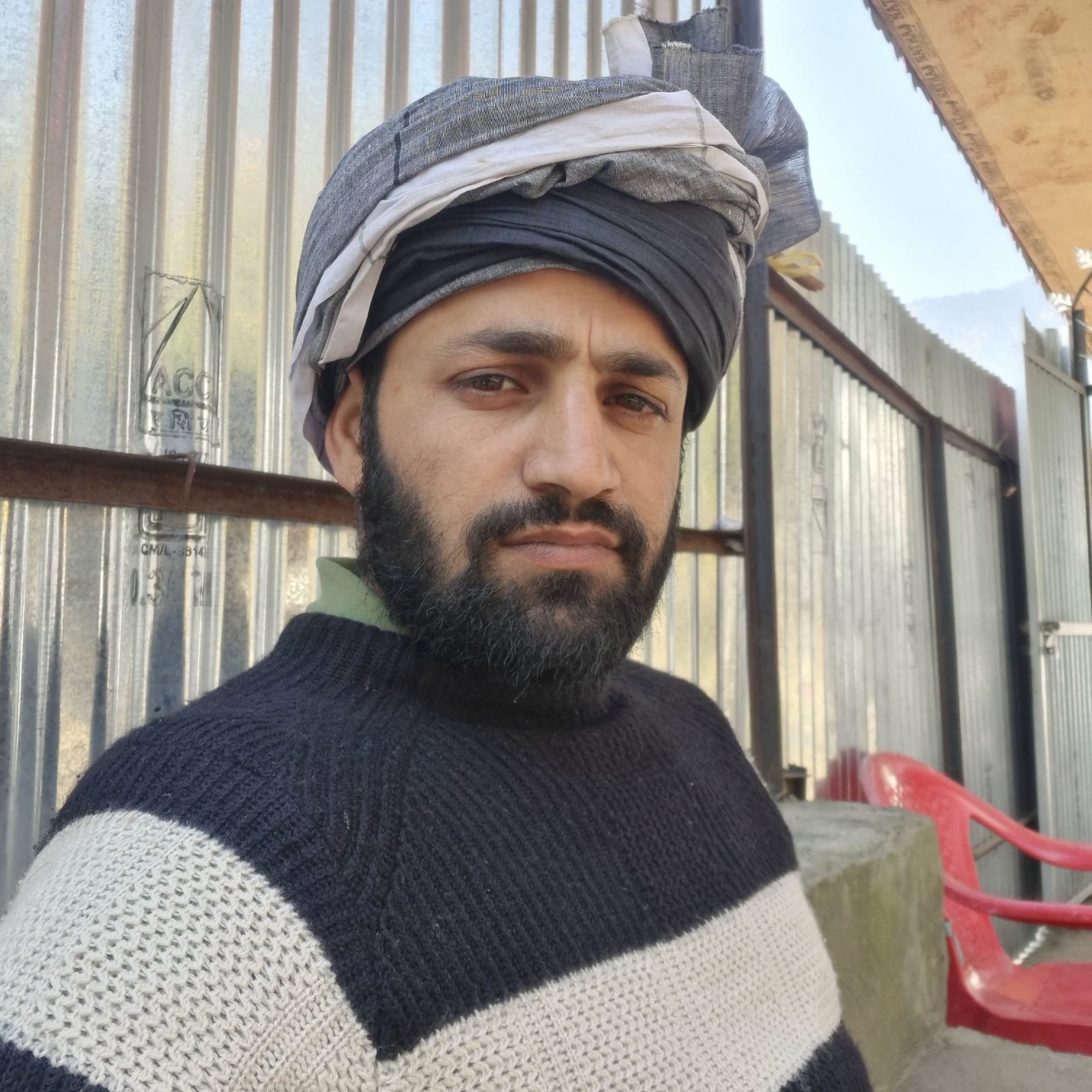
This is an ongoing series of profiles documenting the experiences of young people across India. Stay tuned for more stories from first-generation students across India. Follow us on social media for more updates.