
The Pehli Peedi Fellowship presents the first in a series of stories highlighting the experiences of first-generation students across India.
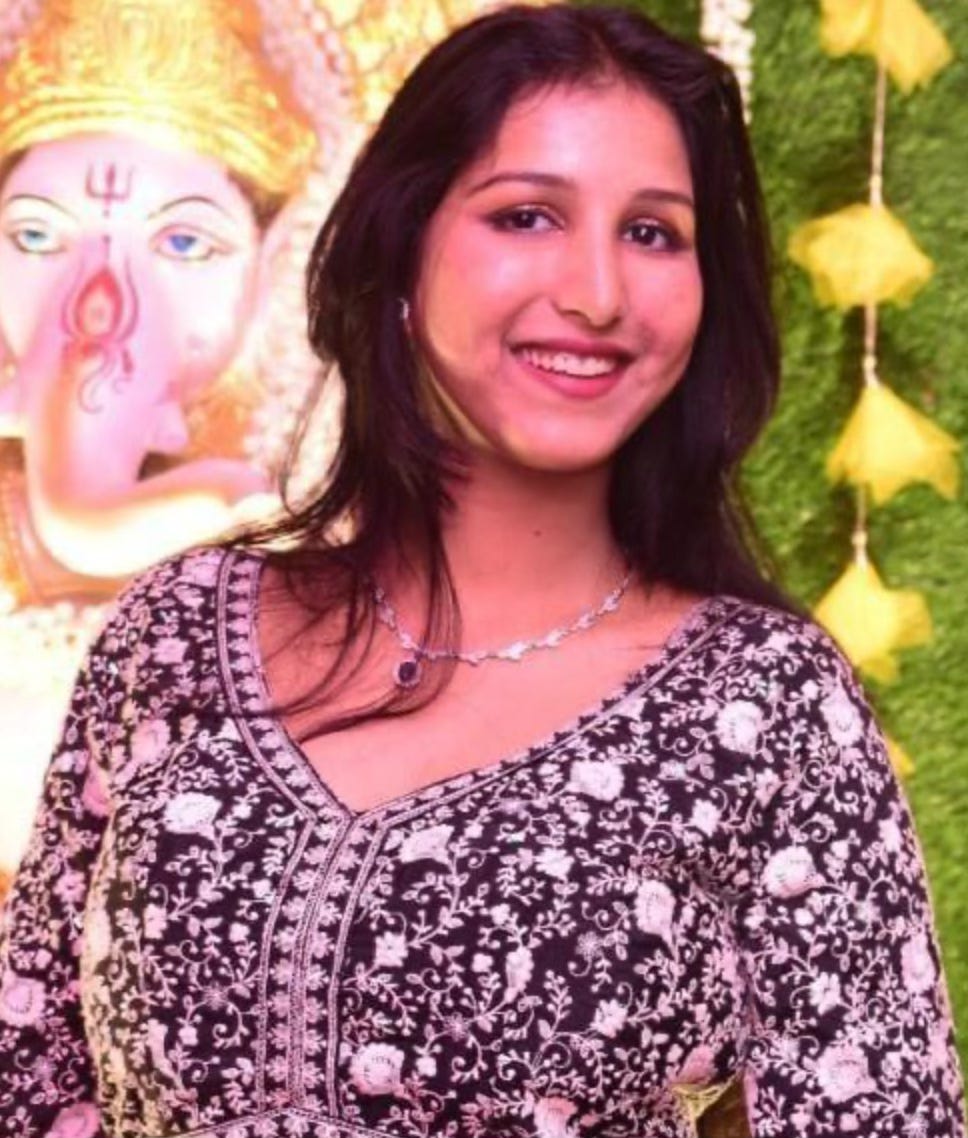
Ishika Thakur is a postgraduate student from Kolkata who pursued both her Bachelor’s and Master’s degrees in History from Calcutta University and is currently completing her B.Ed. Her journey reflects determination, adaptability, and a strong belief in the transformative power of education. Coming from a family where higher education opportunities were limited, Ishika’s story highlights the importance of parental encouragement, mentorship, and accessible learning environments. Through her experiences, she sheds light on the challenges faced by students navigating language barriers, gender bias, and feelings of exclusion within educational spaces.
“Education is not only about earning a degree; it is about finding your voice, confidence, and place in the world.”
Read her full story below. Profile by Mamta
Tell me about your family—what do your parents or guardians do? Specifically ask about both parents’ educational backgrounds.
I was born and brought up in Kolkata. My father worked in the military, and my mother is a homemaker. Both of my parents studied up to Class 12.
Which school did you attend? Government or private?
I attended a private school, G.B. Memorial Institution School, located in Sarsuna.
Are you comfortable sharing your caste? What role has caste played in your life?
I belong to the Nai caste (OBC). Fortunately, I have not personally experienced caste-based discrimination in my life.
How many students were in your 12th class with you? How many went to college?
There were around 30 students in my Class 12 section. Almost all of them pursued higher education, while some opted for vocational training.
Was it always known that you would go to college? If not, who inspired you to go to college?
Yes, my mother always wanted me to pursue higher education because she did not get the opportunity to complete her own studies. She constantly motivated and inspired me to complete both my Bachelor’s and Master’s degrees.
Were there any hurdles that you had to overcome to go to college?
I never faced financial difficulties while pursuing higher education. However, most of the professors at my college taught in Bengali, which made it difficult for me to understand the lectures initially. Additionally, many students were reluctant to share their notes. Thankfully, with the help of technology and the internet, I was able to overcome the language barrier and access excellent lectures in both English and Hindi.
Do you feel seen and heard in classrooms, societies, or larger campus spaces?
In middle school, I experienced discrimination from teachers whenever I asked questions or expressed my opinions because I was not Bengali, while most students and teachers around me were Bengali. Similar experiences continued in college, although some professors were supportive and kind. Overall, I often did not feel seen or heard in either school or college. As a woman, I also noticed that my opinions were sometimes dismissed without justification, while my male classmates’ opinions were given more importance during discussions.
What do you wish your professors, peers, or university leaders understood better about students like you?
Not everyone learns in the same way, and education should be made more interactive and experiential. Students should be given opportunities to express themselves freely while learning.
What is the one thing you think first-generation students need to succeed?
I believe there are two major ways to support students like me. First, providing access to modern technology such as computers and the internet is extremely helpful. It allows students to explore career opportunities, understand university enrolment processes, and make informed decisions about their future.
Second, mentorship and counselling support in schools and colleges are equally important. When students have mentors or guides, they feel more confident and motivated. Such support can help ensure that a student’s talent leads to meaningful opportunities and career growth.
Where are you from? What was growing up in your hometown/city like?
I am from Kolkata, and growing up there was a beautiful experience. The city’s culture, history, and atmosphere made my childhood memorable.
If you could change one thing about higher education today, what would it be?
I believe teachers and professors should be more open to discussion and willing to hear viewpoints from students belonging to different backgrounds. I have seen some professors, especially male professors, who can be very rigid in their opinions and unwilling to acknowledge when they are wrong.
Was education something people in your family or community talked about often?
Yes, my parents emphasized the importance of education from a very young age. Due to my mother’s early marriage and my father taking on family responsibilities as the eldest son, neither of them had the opportunity to complete college. Because of this, they always encouraged my brother and me to complete our education before choosing any career path we wanted to pursue.
This is an ongoing series of profiles documenting the experiences of young people across India. Stay tuned for more stories from first-generation students across India. Follow us on social media for more updates.
Very nice