
The Pehli Peedi Fellowship presents the first in a series of stories highlighting the experiences of first-generation students across India.
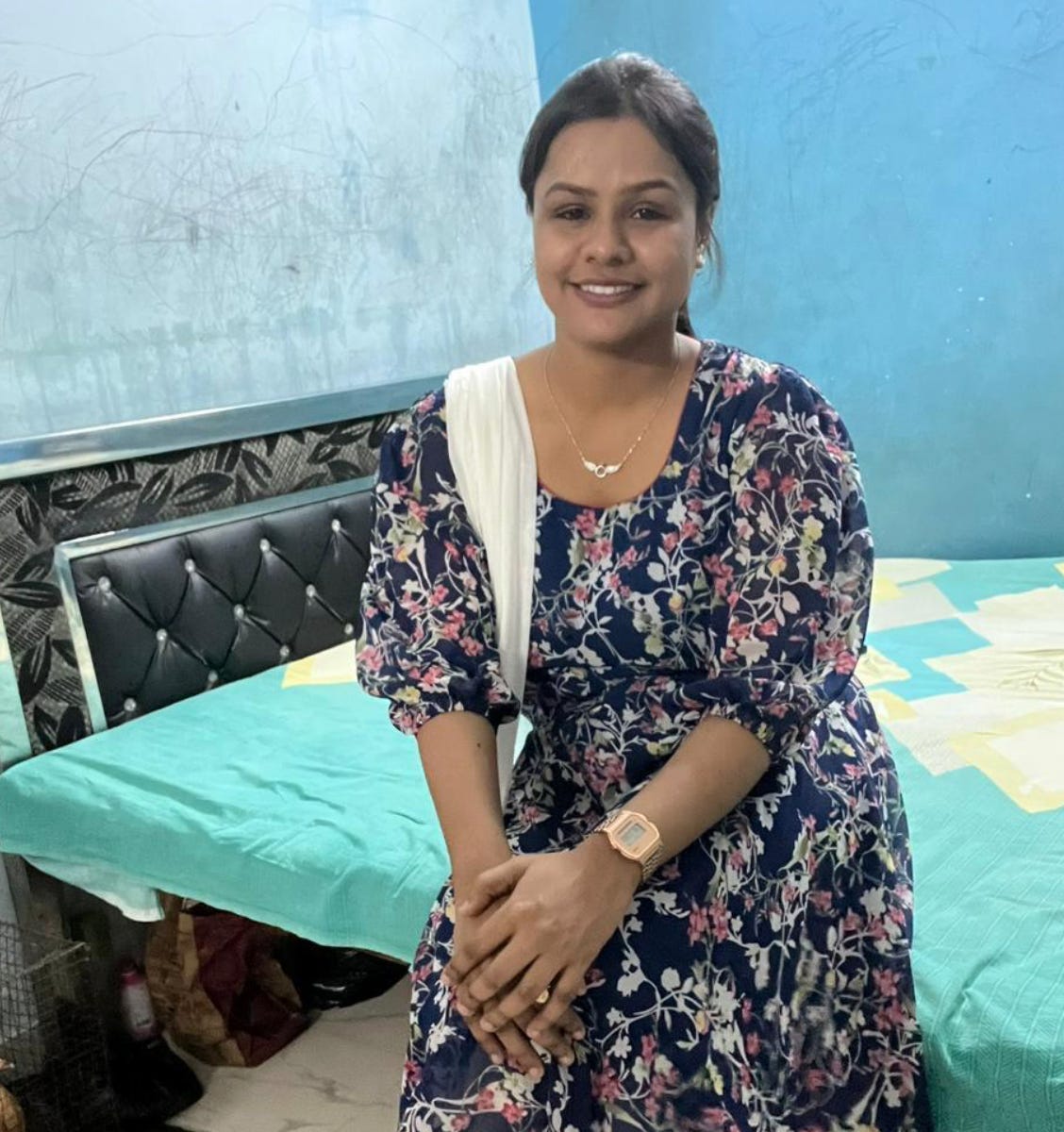
My name is Praveen Subia, and I am originally from Madhya Pradesh. When I was two years old, my family relocated to Kolkata, where I grew up and completed my schooling and higher education. I earned my Bachelor’s degree in Commerce from AJC Bose College under the University of Calcutta and am currently working at Amazon. As a first-generation learner from a financially challenged background, my educational journey has been shaped by perseverance, family support, and a strong belief in the transformative power of education.
“Education is the most powerful tool for breaking barriers, creating opportunities, and building a better future.”
Read her full story below. Profile by Mamta
Q. Tell me about your family—what do your parents or guardians do? Specifically ask about both parents’ educational backgrounds.
I was born in Madhya Pradesh but relocated to Kolkata when I was two years old. My mother is a homemaker, and my father was a businessman who ran a family food business before he passed away when I was three years old. My mother completed her education up to Class 10, while my father completed his education up to Class 12.
Q. Which school did you attend? Government or private?
I attended Loreto Day School in Sealdah, which is a private school. My mother always dreamed of providing her children with a quality English-medium education. Despite facing many financial and personal challenges, she worked tirelessly to fulfill that dream and ensured that I was admitted to a reputed English-medium school.
Q. Are you comfortable sharing your caste? What role has caste played in your life?
I follow Islam. I did not experience any discrimination based on caste or class during my school years. My school emphasized values of equality, liberty, and mutual respect, teaching us that all Indians are brothers and sisters. As a result, I never felt marginalized because of my social background.
Q. How many students were in your 12th class with you? How many went to college?
There were around 40 students in my Class 12 section. To the best of my knowledge, many of them went on to pursue higher education at different colleges, while some may have chosen not to continue their studies.
Q. Was it always known that you would go to college? If not, who inspired you to go to college?
Yes, pursuing higher education was always encouraged in my family. My mother was my greatest source of inspiration. She was unable to complete her own education because she married at the age of 16. Despite the challenges of raising three children as a single parent, she remained determined to provide us with the opportunities she never had. She consistently motivated and encouraged me to complete both my bachelor’s and master’s degrees.
Q. Were there any hurdles that you had to overcome to go to college?
Yes, there were significant challenges. My father passed away when I was three years old, which led to financial instability for our family. However, through my mother’s determination and hard work, she managed to secure quality education for all three of her children. I was admitted to a reputed school through a lottery system and received educational sponsorship from a foreign donor from Class 1 through Class 12. After completing school, I enrolled at AJC Bose College and simultaneously worked in the BPO sector to support both my education and my family.
Q. Do you feel seen and heard in classrooms, societies, or larger campus spaces?
Most of the time, I feel seen and heard. I have generally found educational spaces to be supportive and inclusive, allowing me to participate and express my views.
Q. What do you wish your professors, peers, or university leaders understood better about students like you?
I believe classrooms become more effective when they are participatory and dynamic. Encouraging discussions, debates, and active student engagement helps create a more inclusive learning environment and motivates students to contribute their perspectives confidently.
Q. What is the one thing you think first-generation students need to succeed?
There are many ways to support first-generation students, but I believe affordable and accessible education is the most important. Every child has the fundamental right to education, regardless of their financial background. Education not only opens doors to professional opportunities but also fosters personal growth, social awareness, and the ability to challenge injustice. I appreciate that several scholarship programs are available to students in West Bengal. However, more educational opportunities and financial assistance should be provided so that students can pursue their studies without the burden of financial stress.
Q. Where are you from? What was growing up in your hometown/village/city like?
I am from Kolkata. Growing up in Kolkata was a beautiful experience. The city’s cultural diversity, vibrant traditions, and strong emphasis on education helped shape my outlook on life and contributed significantly to my personal growth.
Q. If you could change one thing about higher education today, what would it be?
I would focus on making higher education more accessible and affordable by expanding scholarship opportunities and financial support for students from economically disadvantaged backgrounds.
Q. Was education something people in your family or community talked about often?
Yes, education was frequently discussed in my family. From an early age, my parents emphasized its importance, particularly my mother. She was unable to complete her own education due to her early marriage and faced many difficulties because of limited educational opportunities. These experiences motivated her to ensure that her children completed their higher education. She wanted us to become independent, self-reliant individuals who would not have to depend on others for guidance, support, or opportunities.
This is an ongoing series of profiles documenting the experiences of young people across India. Stay tuned for more stories from first-generation students across India. Follow us on social media for more updates.