
The Pehli Peedi Fellowship presents the first in a series of stories highlighting the experiences of first-generation students across India.
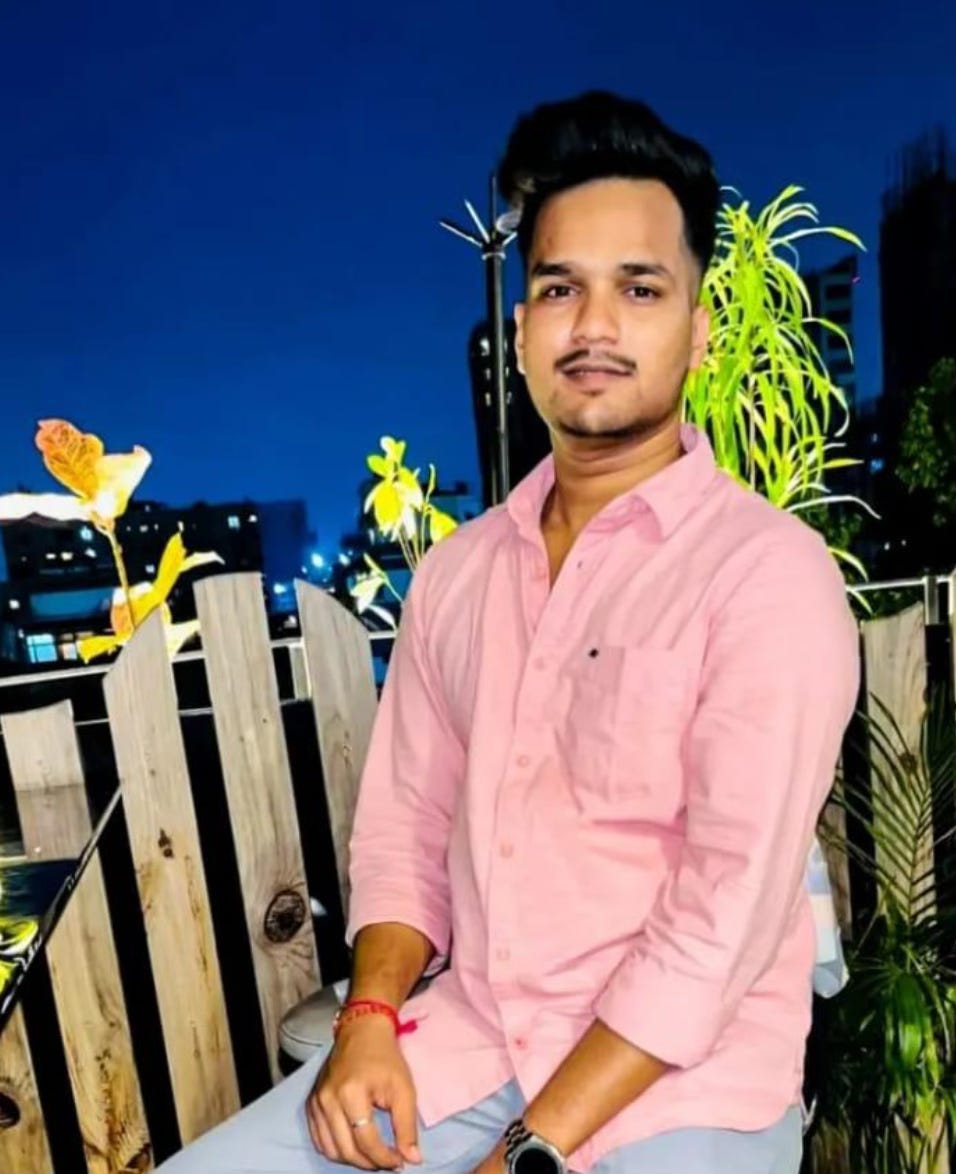
Avinash Sonkar is a CMA finalist from Keonjhar, Odisha, currently pursuing his professional journey while working as an article assistant. Coming from a family where higher education was not accessible to previous generations, he grew up with strong encouragement from his parents to focus on studies and build a successful career. His journey reflects determination, adaptability, and the desire to create opportunities through education. From balancing academics with professional coursework to moving cities in pursuit of his dreams, Avinash’s story highlights the aspirations of many first-generation students in India.
“Success does not come from where you start; it comes from the determination to keep moving forward.”
Read his full story below. Profile by Mamta
Q. Tell me about your family—what do your parents or guardians do? Specifically ask about both parents’ educational backgrounds.
Ans – I was born and brought up in Keonjhar, Odisha. My father was a businessman, and my mother is a homemaker. Both of my parents studied until Class 10. Although they could not pursue higher education themselves, they always encouraged me to focus on my studies and build a successful career.
Q. Which school did you attend? Government or private?
Ans – I attended a private school, Nirmala Convent School, located in Kashipur, Keonjhar.
Q. Are you comfortable sharing your caste? What role has caste played in your life?
Ans – I belong to the Scheduled Caste (SC) community. However, since my family originally belongs to Uttar Pradesh while I was born and raised in Odisha, I have generally used “General” as my caste category. Personally, I have not faced caste-based discrimination, but I have heard about such experiences from my parents and cousins. Because of this, my parents decided during my childhood that it would be better for me to identify under the General category.
Q. How many students were in your 12th class with you? How many went to college?
Ans – My Class 12 batch had 96 students. More than half of them pursued higher education and enrolled in colleges, while the remaining students either joined their family businesses or started working after completing school.
Q. Was it always known that you would go to college? If not, who inspired you to go to college?
Ans – Since my parents could not complete their formal education, they were deeply committed to ensuring that I graduated from college. They consistently encouraged me to prioritize my studies and pursue higher education, so I always knew that going to college was part of my journey.
Q. Were there any hurdles that you had to overcome to go to college?
Ans – I did not face any major obstacles in accessing higher education. However, because I chose to pursue the CMA course alongside my college studies, I had to put in extra effort to balance academics and professional coursework while keeping up with my peers.
Q. Do you feel seen and heard in classrooms, societies, or larger campus spaces?
Ans – During my school years, I was not among the top-ranking students; I considered myself an average student. At times, I felt that the best opportunities were reserved mainly for high achievers rather than for the entire class. While I am grateful to the teachers who motivated me, there were moments when I felt overlooked because I was not part of the top batch of students. Over time, however, I have become much more confident in expressing my thoughts. Today, whether at work or in other spaces, I make sure to share my opinions and ensure that my voice is heard.
Q. What do you wish your professors, peers, or university leaders understood better about students like you?
Ans – I wish they understood that every student comes from a different background and has unique life experiences. Not everyone learns at the same pace. I believe professors should pay more attention to students who may need extra time to understand concepts, instead of focusing only on top-performing students. Every student has different strengths, and educational institutions should encourage students to explore and develop what they are genuinely good at.
Q. What is the one thing you think first-generation students need to succeed?
Ans – I believe first-generation students need two important things to succeed. First, they need constant encouragement from parents, teachers, and peers to stay motivated. Second, they need strong career guidance and mentorship. Since many first-generation students do not have family members with experience in higher education or professional careers, they often lack someone at home to guide them. Support from mentors and teachers can help them make informed decisions and explore the right opportunities for their future.
Q. Where are you from? What was growing up in your hometown/village/city like?
Ans – I grew up in Keonjhar, Odisha, a small town with limited educational opportunities. Despite this, I had a wonderful childhood surrounded by family and friends, and I cherish those memories deeply. However, to pursue my dream of becoming a CMA, I moved to Kolkata to continue my studies and work toward my goals.
Q. If you could change one thing about higher education today, what would it be?
Ans – I believe higher education should be more flexible. Instead of restricting students to narrow streams such as Science, Arts, or Commerce, institutions should provide a wider range of subject choices. If students are allowed to study subjects that genuinely interest them, they are more likely to stay motivated and succeed academically.
Q. Was education something people in your family or community talked about often?
Ans – Yes, education was always an important topic in my family. My parents often spoke about their dream of seeing me study well, move to a bigger city, and build a successful career. Because of this, they consistently encouraged me to prioritize education and pursue my ambitions with dedication.
This is an ongoing series of profiles documenting the experiences of young people across India. Stay tuned for more stories from first-generation students across India. Follow us on social media for more updates.